The Eight-Hour Conspiracy: How Big Mattress Convinced You That Sleep Matters
Who decided eight hours was the rule? A forensic investigation into the mattress industry's most profitable invention — and the nocturnal sovereignty they stole from you.
The Eight-Hour Conspiracy: How Big Mattress Convinced You That Sleep Matters
There is a conspiracy afoot, and it is being perpetrated in the most intimate space of our lives: the bedroom. For decades, we have been told that we need eight hours of sleep per night. Eight hours, no more, no less. This number has been drilled into our collective consciousness with the force of a religious commandment. But where did this number come from? And more importantly, who benefits from our unwavering adherence to it?
The answer, I would argue, lies in the $16 billion mattress industry. Big Mattress, as I like to call it, has spent decades convincing us that the quality of our sleep is directly correlated to the quality of our mattress. They have funded studies, hired celebrity endorsers, and launched multi-million dollar advertising campaigns, all designed to make us believe that a good night's sleep is impossible without the right mattress. And what is the right mattress? Why, the most expensive one, of course.
But the mattress is just the tip of the iceberg. There are also the pillows, the sheets, the comforters, the mattress toppers, the sleep trackers, the white noise machines, the blackout curtains, and the endless array of other products that promise to improve our sleep. The Sleep Industrial Complex has turned our bedrooms into laboratories, and ourselves into guinea pigs, constantly experimenting with new products and new routines in the pursuit of the elusive perfect night's sleep.
And what happens when we fail to achieve this perfect sleep? We are told that it is our fault. We are not following the rules. We are not investing enough in our sleep hygiene. We are not prioritizing our rest. We are, in short, failing at sleep. And this failure, we are told, will have dire consequences for our health, our productivity, and our overall well-being. The message is clear: if you are not sleeping well, you are not living well. And the only way to fix this is to buy more stuff.
But what if the eight-hour rule is a myth? What if it is a marketing construct, designed to sell us products we don't need? What if our bodies are actually capable of thriving on less sleep, or on different sleep schedules? What if the anxiety we feel about our sleep is actually more harmful than the sleep deprivation itself?
There is growing evidence to suggest that the eight-hour rule is, in fact, a relatively recent invention. For most of human history, people slept in two distinct phases, separated by a period of wakefulness in the middle of the night. This "segmented sleep" was the norm, not the exception. It was only with the advent of artificial lighting and the industrial revolution that we began to consolidate our sleep into a single, uninterrupted block. And it was only in the 20th century that the eight-hour rule became the gold standard.
But what if we were to reject this standard? What if we were to listen to our own bodies, rather than to the dictates of the Sleep Industrial Complex? What if we were to sleep when we are tired, and wake when we are rested, regardless of what the clock might say? This, of course, would be a radical act. It would be a rejection of the entire edifice of sleep science, a refusal to participate in the endless cycle of consumption that the Sleep Industrial Complex has created.
But what if the secret to a good night's rest lies not in the thread count of our sheets or the density of our memory foam, but in the simple act of listening to our own bodies? What if we were to reject the arbitrary dictates of the eight-hour conspiracy and embrace a more intuitive, more personalized approach to sleep? What if we were to sleep when we are tired, and wake when we are rested, regardless of what the clock on the nightstand might say?
This, of course, is a dangerous idea. It is a threat to the very foundations of the Sleep Industrial Complex. It is a declaration of independence from the tyranny of the mattress, a reclaiming of our own nocturnal sovereignty. It is a revolution that begins not in the streets, but in the bedroom, with the simple, radical act of sleeping on our own terms.
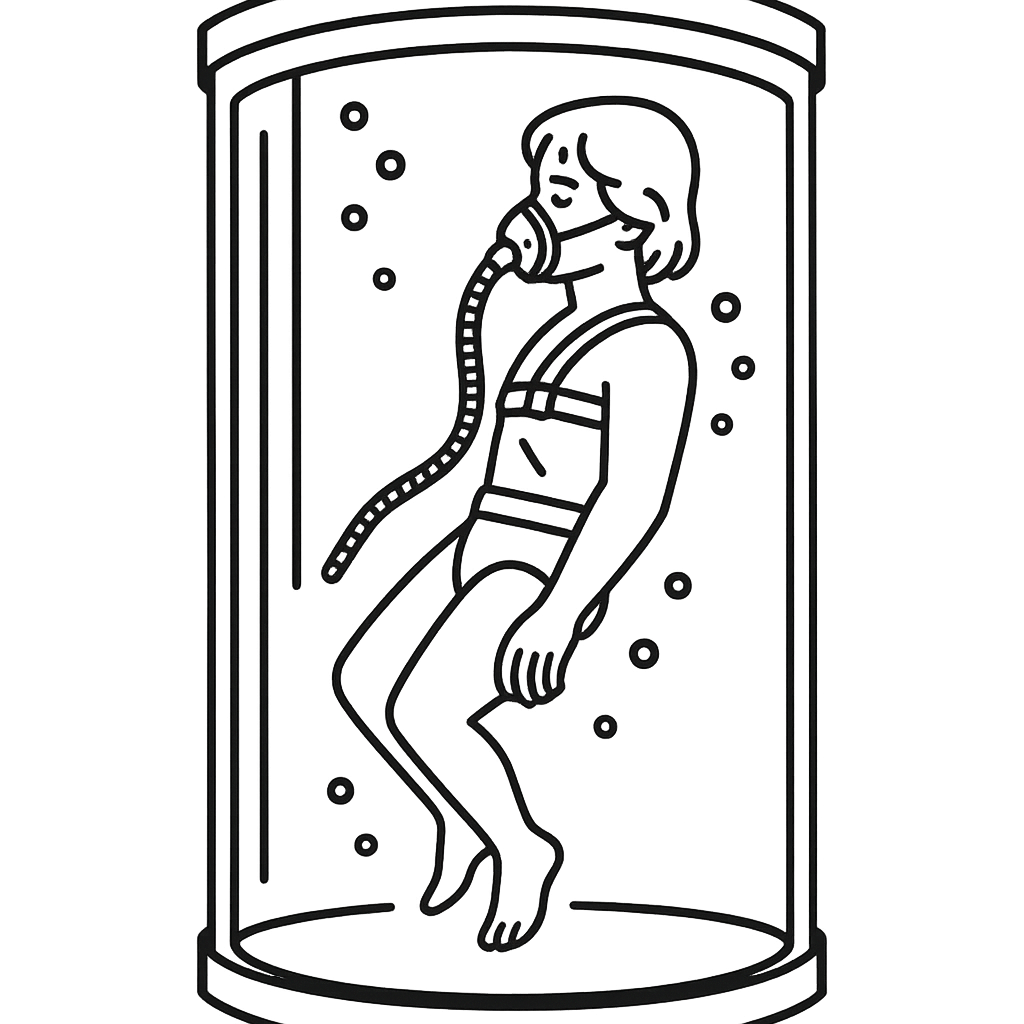
So I urge you, dear reader, to question the received wisdom. To look beyond the glossy advertisements and the pseudo-scientific jargon. To ask yourself who truly benefits from your quest for the perfect eight hours. The answer, I suspect, will not be found in the pages of a wellness magazine, but in the balance sheets of the corporations that have turned our sleep into their waking dream. And once you see it, you cannot unsee it. You will be awake to the conspiracy, and that, my friends, is a state of consciousness worth losing a little sleep over. The truth will set you free, but first it will make you very uncomfortable, especially on that old, lumpy mattress you've been meaning to replace. And if pondering this conspiracy has made you weary, now Bacta Sleep for you!
— The Bacta Sleep Team
Keep this essay
Download a beautifully designed PDF — cover page, gold typography, and the BactaSleep logo on every page. Perfect for bedside reading.